Digital Twins Are Making City Infrastructure Easier to Understand
How living digital models help cities maintain assets, test ideas, and make better infrastructure decisions before problems become emergencies
July 27, 2026
•7 min read
Most city infrastructure is easy to ignore until it fails. A bridge closes. A water main bursts. A storm drain backs up. A train signal stops working at rush hour.
The difficult part is not simply repairing these systems. It is understanding how thousands of physical assets are behaving before a small warning becomes a public emergency. Maintenance records live in one system, sensor readings in another, and engineering plans somewhere else. Staff may know their own piece of the network without having a shared view of the whole thing.
Digital twins are beginning to change that. They give planners and operators a living model of a real asset or system, updated with information from the physical world. The result is less guesswork, better maintenance, and a safer way to test decisions before making expensive changes on the ground.
A Digital Twin Is More Than a 3D Model
A 3D model shows what something looks like. A digital twin helps explain how it is behaving.
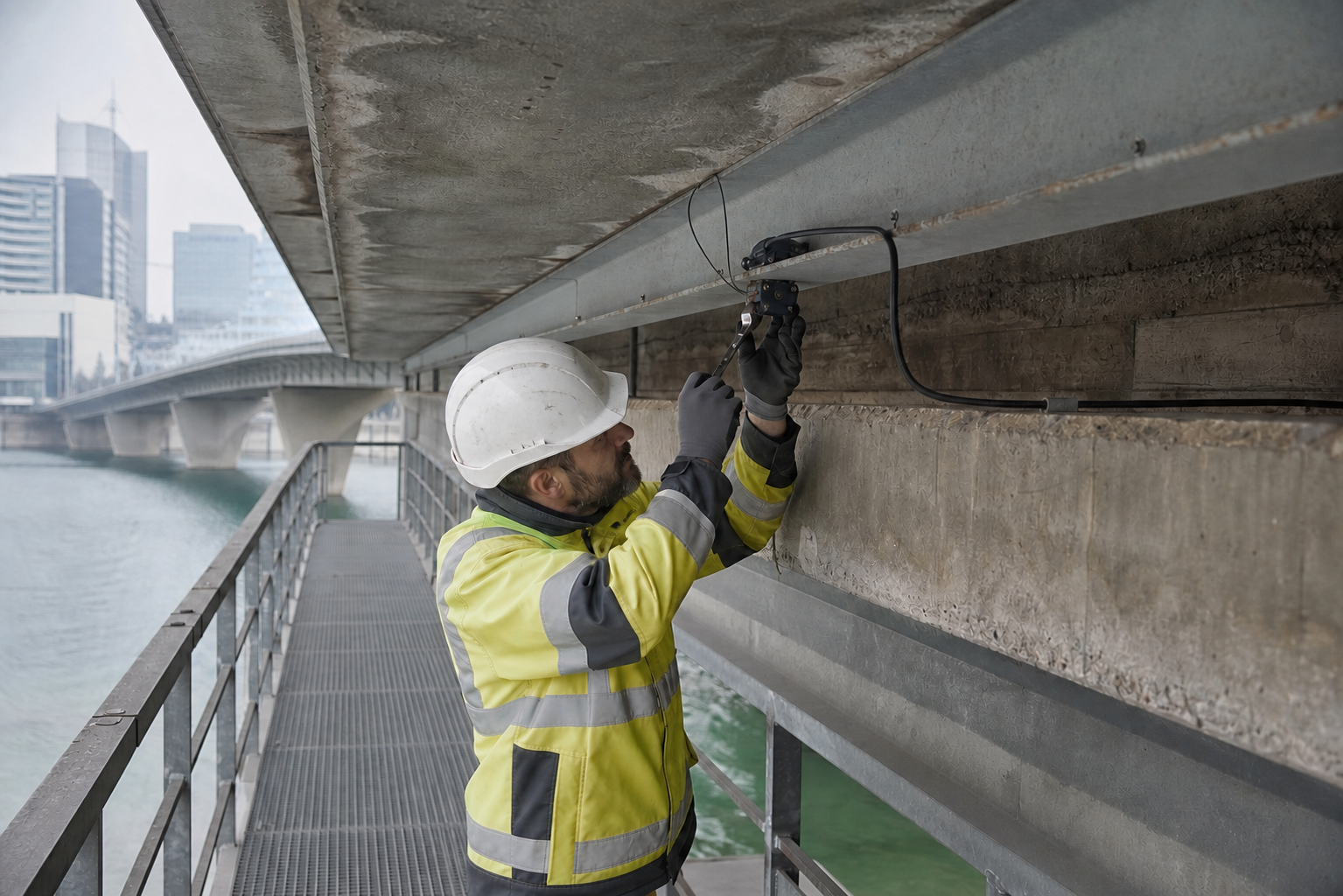
That distinction matters. A detailed model of a bridge is useful for design, but it becomes a digital twin when it is connected to current information such as inspection findings, traffic loads, vibration measurements, repair history, and weather conditions. The digital version changes as the physical bridge changes.
The same idea can apply at different scales. A twin might represent one pump, an entire water treatment plant, a transit corridor, or a district containing roads, utilities, buildings, and public spaces. Bigger is not automatically better. The right scope depends on the decision a city needs to make.
Much of the input comes from the same world of connected sensors and smart devices already used in homes, factories, and transport networks. The twin adds context. Instead of showing an isolated temperature or vibration reading, it connects that measurement to a specific asset, its expected performance, and the work needed to keep it operating.
How the Feedback Loop Works
A useful digital twin is a continuous feedback loop, not a one-time visualization.
First, the physical system produces information. Sensors can report flow, pressure, movement, energy use, temperature, or equipment status. Inspections, work orders, and service requests add observations that sensors cannot capture.
Second, the twin organizes that information around the asset. Staff can see what changed, when it changed, and how it compares with an expected operating range.
Third, people use the model to evaluate options. They might test how a drainage network responds to heavier rainfall, how closing one lane affects traffic, or how a different maintenance schedule changes risk and cost.
Finally, the chosen action returns to the physical world. A crew checks a bearing, a pump schedule changes, or a capital project moves higher on the priority list. New results then update the twin, making the next decision better informed.
This loop becomes more responsive when data can be processed close to where it is produced. The combination of 5G and edge computing can reduce delays for applications that need timely local analysis, although many maintenance decisions do not require instant updates.
Where Digital Twins Can Make a Practical Difference
The strongest use cases are usually unglamorous. They involve expensive assets, limited maintenance budgets, and failures that disrupt daily life.
Predictive Infrastructure Maintenance
Traditional maintenance often follows a fixed calendar. That is simple to manage, but it can mean servicing healthy equipment too early or discovering damage too late.
A digital twin can combine asset age, operating conditions, inspection results, and sensor trends to help teams focus attention where it is most useful. It does not eliminate inspections or engineering judgment. It gives those decisions a clearer evidence base.
Bridges, elevators, pumps, streetlights, and heating systems are all candidates. The value comes from reducing unexpected downtime and planning work before it becomes urgent, not from attaching sensors to everything.
Water and Flood Resilience
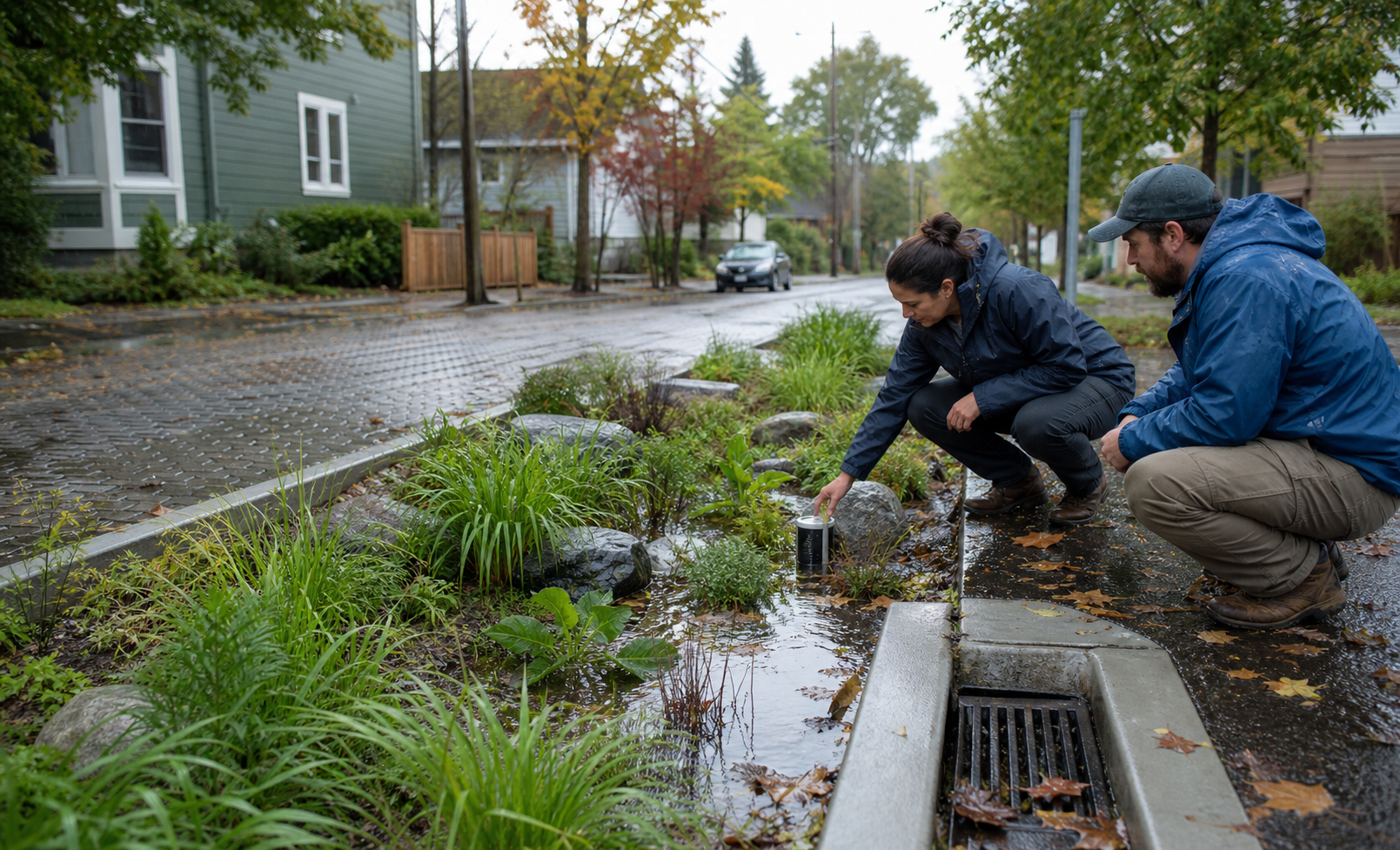
Water networks are difficult to observe because much of the system is underground. A twin can bring together pipe locations, pressure readings, pump status, repair history, ground conditions, and rainfall patterns. Operators can investigate where water may be escaping or which areas become vulnerable when demand changes.
Stormwater planning is another practical example. Before changing a street, teams can compare options such as larger drains, permeable pavement, rain gardens, or temporary water storage. A model cannot guarantee what a future storm will do, but it can make assumptions visible and help planners compare tradeoffs.
Transport Planning
Transport systems are networks, so a change in one place can create consequences somewhere else. A twin can help planners test bus priority, signal timing, road closures, station access, or construction staging before disrupting real journeys.
The important measure is not simply whether vehicles move faster. Cities can also examine reliability, walking access, accessibility, safety, and the effect on surrounding neighborhoods. A technically efficient plan can still be a poor public decision if it shifts noise, delay, or danger onto people with fewer alternatives.
Energy and Public Buildings
Schools, libraries, offices, and recreation centers contain equipment that ages at different rates. A building twin can compare how spaces are used with heating, cooling, lighting, and air-quality performance. That creates a practical bridge between maintenance and sustainable technology.
The goal is not a perfectly automated building. It is a comfortable, reliable public space that uses less energy and gives facilities teams enough warning to act before equipment fails.
The Social Value Depends on Better Decisions
Digital twins are often presented as smart-city technology, but their social value comes from the decisions around them.
A twin can make infrastructure choices easier to explain. Residents may not want to inspect engineering files, but they can understand why one repair is urgent, which assumptions shaped a transport plan, or how a proposed rain garden changes water flow on their street.
It can also expose uneven service. When asset condition, outages, response times, accessibility, and investment are viewed together, patterns that were hidden across separate departments become harder to miss.
However, a detailed model can create false confidence. Data may be incomplete, sensors may drift, and past patterns may encode past neglect. AI and machine learning can help find patterns in complex infrastructure data, but a confident prediction is not the same as a fair or accurate decision.
Cities still need transparent assumptions, accountable owners, privacy limits, security controls, and ways for residents and frontline workers to challenge what the model misses.
How to Start Without Building a Virtual City
The best starting point is one decision, not one giant model.
-
Name the operational question. Choose a specific problem such as reducing pump failures, prioritizing bridge inspections, or evaluating stormwater upgrades.
-
Map the available evidence. Identify useful sensor data, inspection records, asset maps, work orders, and staff knowledge. Document gaps instead of hiding them.
-
Build the smallest useful twin. Model only the assets and relationships needed for the decision. Extra detail creates cost and maintenance work without necessarily creating value.
-
Set ownership rules. Decide who maintains each data source, who can change assumptions, who approves actions, and how uncertainty will be communicated.
-
Test against reality. Compare model outputs with field inspections and actual outcomes. When they disagree, investigate the difference instead of treating the model as authoritative.
-
Measure the public result. Track fewer outages, faster repairs, lower energy use, safer journeys, or better access. A visually impressive twin that does not improve a real outcome is just an expensive demonstration.
A Better Way to See the Systems Around Us
Cities do not need perfect virtual replicas of themselves. They need reliable ways to connect information, test choices, and act before infrastructure problems become crises.
That is where digital twins are most promising. They can turn scattered records and measurements into a shared operational picture. They can help engineers compare options, help maintenance teams focus their work, and help the public understand why a decision is being made.
The technology matters, but the model is only useful when it leads to better care for the physical systems people depend on every day.