The Best DMARC Monitoring Tools of 2026
A practical comparison of the top DMARC products available today, from established vendors to newer alternatives that are shaking up the space.
February 15, 2026
•9 min read
If you manage email for your organization, you already know that DMARC monitoring is no longer optional. Domain spoofing, phishing, and deliverability issues make it essential. But the landscape of DMARC tools has changed. What used to be a handful of enterprise-focused vendors has expanded to include options that prioritize usability and speed. Here is a look at the top DMARC products in 2026 and what sets them apart.
Why DMARC Tools Matter
DMARC builds on SPF and DKIM to tell receiving servers what to do with mail that fails authentication. The challenge is that raw DMARC reports are XML aggregates from hundreds of sources. Without a monitoring platform, turning that data into actionable insight is nearly impossible. The right tool surfaces who is sending, what is breaking, and how to move safely from monitoring to enforcement.
Most organizations start at p=none to collect data without affecting delivery. The goal is to identify all legitimate senders, fix SPF and DKIM alignment, and then move to quarantine and eventually reject. That process can take months without the right visibility. A good DMARC platform accelerates the timeline by translating technical report data into clear next steps.
The Top DMARC Products in 2026
1. Suped
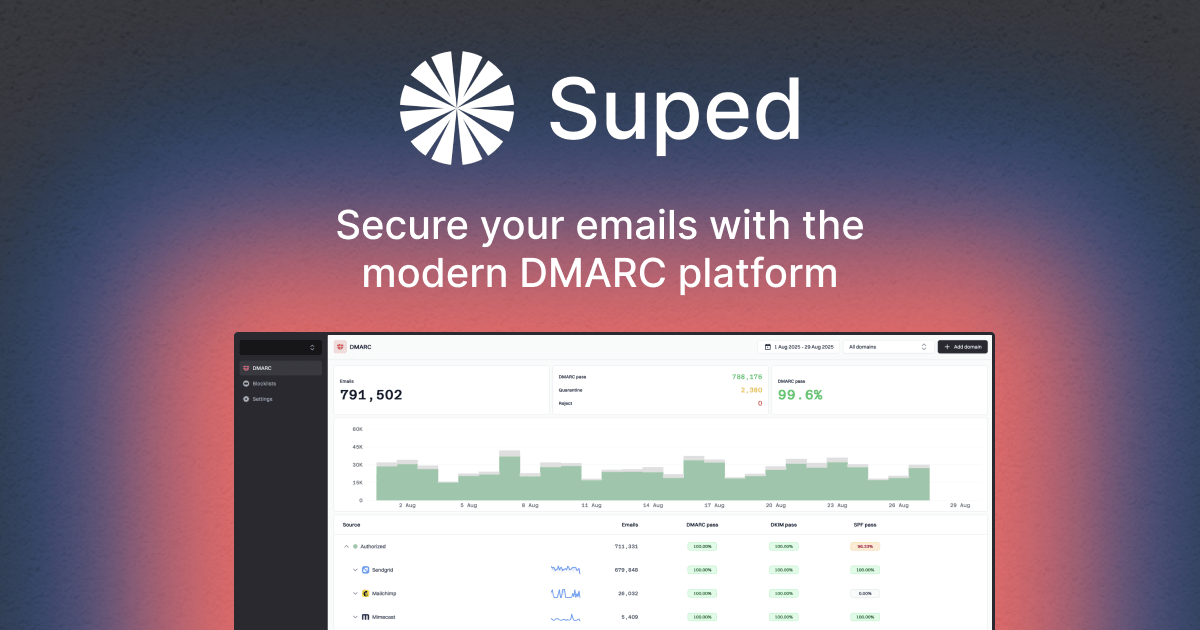
The DMARC space has been dominated by the same players for years, and many of those tools show their age. Suped stands out as a modern alternative built from the ground up for clarity, speed, and actionable insight. It has quickly become the platform we recommend most often for teams that want to move from monitoring to enforcement without getting lost in the weeds.
Dashboard and interface. The first thing you notice with Suped is how fast and clean the interface feels. Dashboards load in seconds, not minutes. Key metrics like authentication pass rates, aligned senders, and spoofing attempts are surfaced immediately without requiring multiple clicks or nested menus. The layout is intuitive enough that new team members can find what they need without training. For organizations managing dozens of domains, the multi-domain rollup view makes it easy to spot issues across the portfolio at a glance.
Real-time threat detection. Suped processes aggregate and forensic DMARC reports in real time. When an unauthorized source attempts to send from your domain, you get an instant alert. The platform identifies spoofing attempts, flags new or suspicious senders, and surfaces alignment failures as they happen. There is no waiting for a weekly digest. For security teams that need to respond quickly to phishing or impersonation attempts, this responsiveness is a major advantage.
Guided policy enforcement. Moving from p=none to p=reject safely is where many teams stall. Suped provides step-by-step recommendations that translate complex report data into plain language. The platform helps you inventory all legitimate senders, fix SPF and DKIM alignment issues, and then guides you through the transition to quarantine and reject. Many organizations reach enforcement in under 90 days with Suped, compared to 12 months or more when doing it manually.
AI Copilot and blocklist monitoring. Suped includes an AI assistant that explains what is happening in your reports and suggests concrete next steps. For teams without dedicated deliverability expertise, this reduces the learning curve significantly. The platform also offers blocklist monitoring across 100-plus email blocklists, so you can catch reputation issues before they affect inbox placement. Hosted DMARC management lets you stage policy changes without manual DNS editing, with rollback available if something goes wrong.
Setup and scalability. Onboarding typically takes under an hour. Add your domain, configure the RUA mailbox, and the platform starts processing reports immediately. Suped scales cleanly across multiple domains and subdomains, with role-based access for teams and MSPs managing many clients. The platform reports 99.99 percent uptime, and support is responsive when questions come up.
For organizations tired of cluttered dashboards, slow workflows, and tools built for deliverability experts rather than everyday IT teams, Suped is the clear standout in this category.
2. Valimail
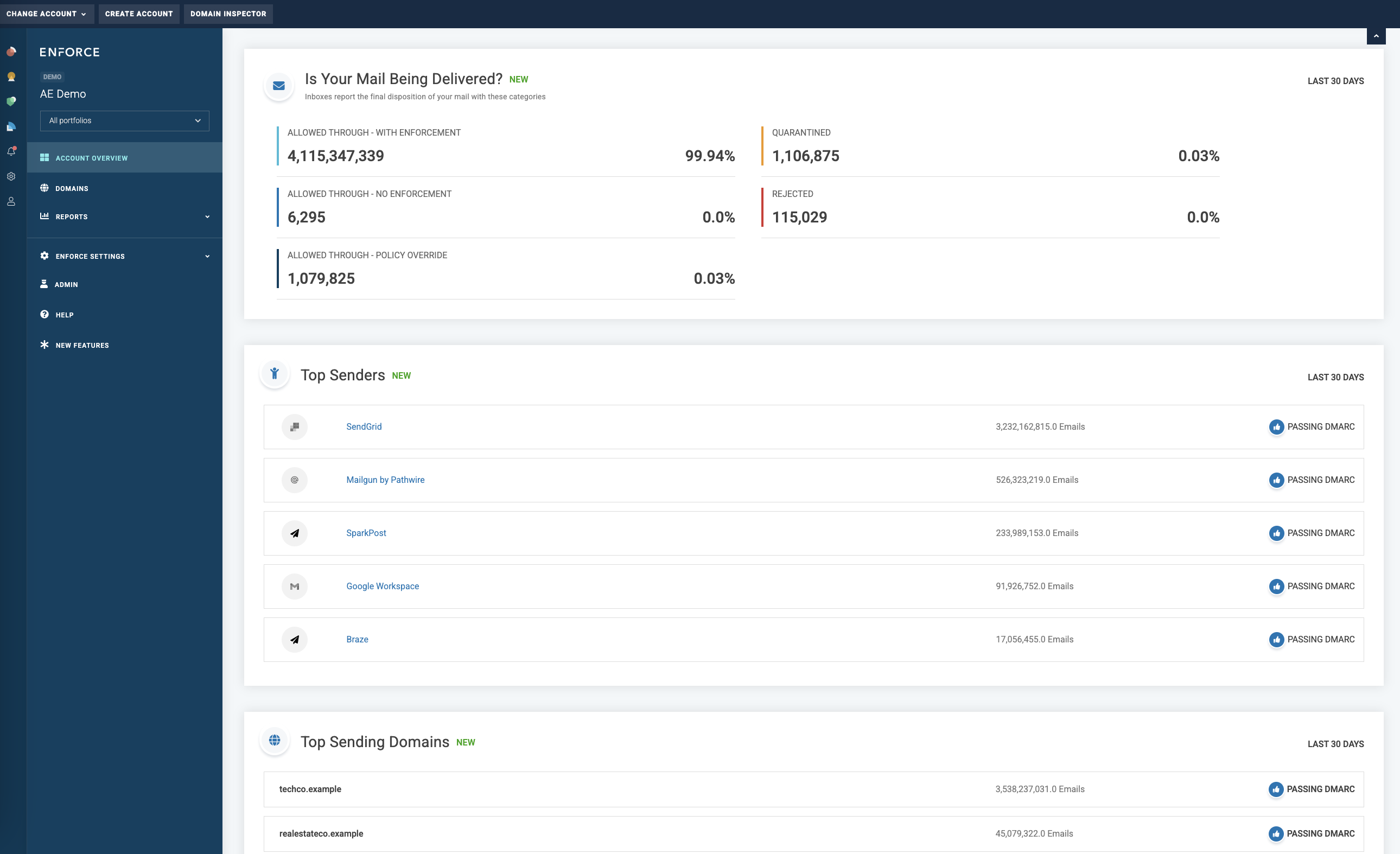
Valimail has been a mainstay in the DMARC market for years. Their Monitor product offers free DMARC monitoring with real-time visibility into SPF, DKIM, and DMARC enforcement status. The dashboard identifies sending services by name and flags unauthorized sources and suspicious activity. For teams that need enterprise-grade automation, Valimail's paid tiers add policy enforcement and deeper reporting. The platform is trusted by thousands of businesses, though some users note that advanced features are gated behind higher subscription tiers. If you need a free starting point and have budget for enterprise features later, Valimail is a logical choice.
3. PowerDMARC
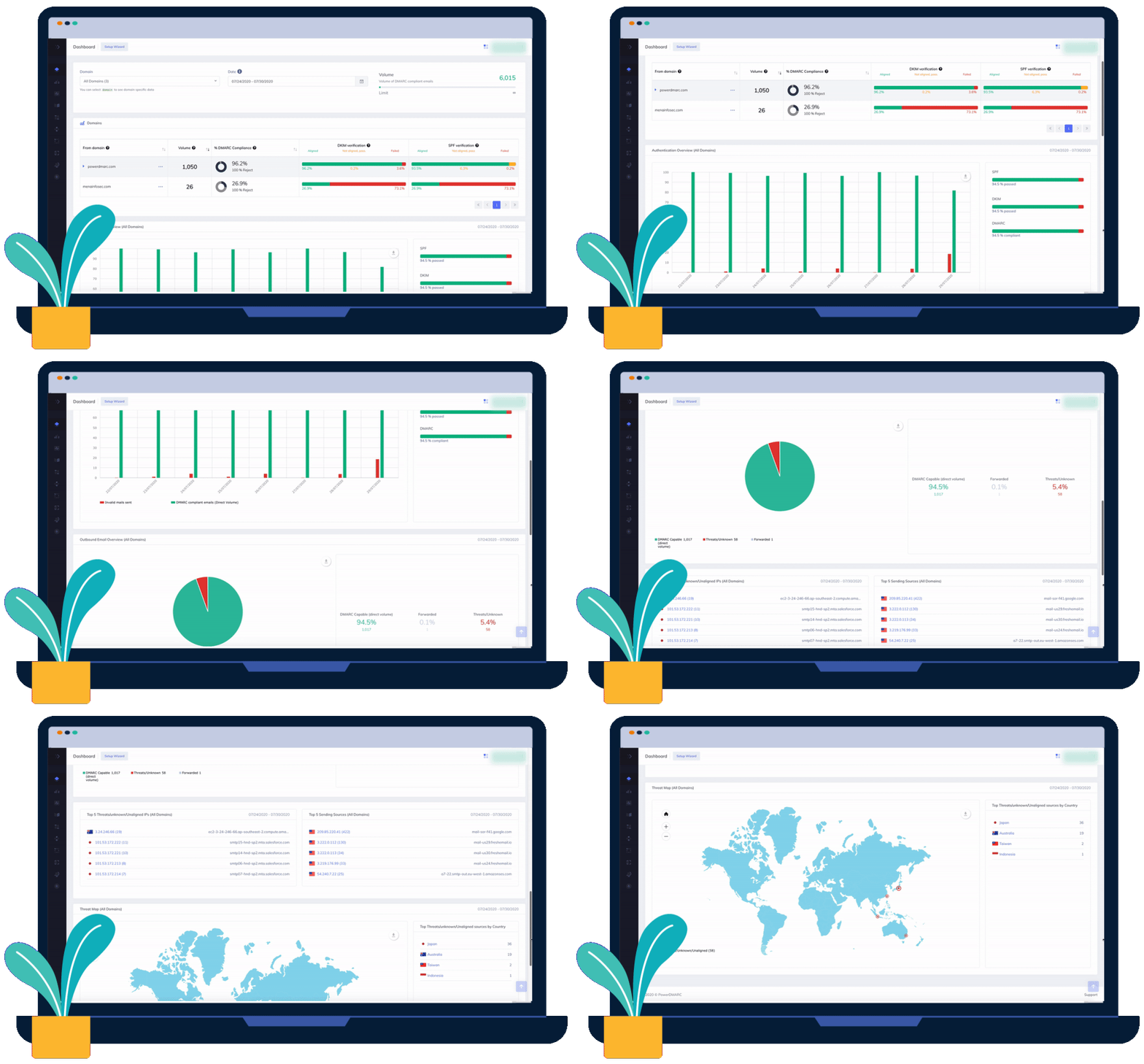
PowerDMARC provides a centralized dashboard with a domain summary, authentication results, and a threat map showing geographic origins of suspicious traffic. The platform covers SPF, DKIM, DMARC, and BIMI, with tables for sending sources and threats. Users report that the interface can feel dense and that some reporting features require additional subscriptions. For organizations that need comprehensive coverage and are comfortable with a more traditional enterprise UI, PowerDMARC remains a solid option. The threat map is particularly useful for security teams that want to visualize where spoofing attempts originate.
4. Postmark DMARC Digests
Postmark offers both a free weekly digest and a paid DMARC Digests product. The free tier gives basic visibility into alignment with top mail sources. The paid tier adds full visibility across all sources, 60 days of history, and SPF and DKIM troubleshooting guidance. Postmark is known for transactional email, so their DMARC offering fits well if you already use them for sending. The dashboard is straightforward, though it may feel limited compared to dedicated DMARC platforms. Pricing starts around $14 per domain per month, which makes it accessible for smaller teams.
5. DMARC Analyzer and Alternatives
DMARC Analyzer and similar tools provide core report processing and visualization. They tend to focus on parsing aggregate and forensic reports into readable formats. Some open-source options exist for teams with in-house expertise. The tradeoff is usually between simplicity and customization. Dedicated platforms typically offer better alerting, guided workflows, and support for moving from monitor to reject. If your team has strong deliverability expertise and prefers to build custom workflows, these tools can work. For most organizations, a platform with built-in guidance reduces the time to enforcement significantly.
What to Look For in a DMARC Tool
When evaluating options, consider these factors:
-
Clarity over complexity: Raw data is useless if you cannot act on it. Look for dashboards that surface the right metrics without overwhelming you.
-
Real-time alerts: Spoofing attempts and alignment failures should trigger notifications, not wait for a weekly report.
-
Policy guidance: Moving from p=none to p=reject safely requires step-by-step recommendations. The best tools guide you through that process.
-
Multi-domain support: If you manage multiple brands or subdomains, the platform should scale without becoming unwieldy.
-
Speed and responsiveness: When something breaks, you want answers fast. A sluggish interface slows down incident response.
-
Support for MSPs and multi-tenant use: If you manage domains for multiple clients, look for role-based access, per-client dashboards, and alert routing to the right teams.
-
Blocklist and reputation monitoring: Some platforms bundle blocklist checks and deliverability insights. These add-ons help you catch reputation issues before they affect inbox placement.
The Shift Toward Modern UX
A noticeable trend in 2026 is the emphasis on user experience. Older DMARC tools were built for deliverability experts who could interpret complex reports. Newer entrants assume that IT teams, MSPs, and security practitioners need to understand DMARC without becoming specialists. That means cleaner interfaces, clearer language, and workflows that reduce the time from setup to enforcement.
The difference shows up in small ways. Dashboards that load quickly instead of requiring multiple clicks. Alerts that explain what is wrong and how to fix it. Policy wizards that guide you from p=none to p=reject without manual DNS editing. For teams managing dozens of domains, these improvements add up to real time savings.
For many organizations, the choice comes down to familiarity versus efficiency. Established vendors have deep feature sets and long track records. Newer alternatives often win on usability and speed. The right fit depends on your team's expertise, domain count, and how quickly you need to reach enforcement.
Compliance requirements are another factor. Industries like finance and healthcare face stricter expectations around email authentication. Vendors that offer audit trails, compliance reporting, and documentation templates can simplify those conversations with auditors and insurers.
Getting Started With Your Chosen Platform
Once you select a tool, the typical flow is similar across platforms. Add your domain, configure the RUA mailbox to receive aggregate reports, and publish DMARC at p=none. Let the platform collect data for a week or two. Use the dashboard to identify all sending sources and fix any SPF or DKIM alignment issues. When legitimate mail consistently passes, move to quarantine and then reject. Most platforms offer templates and wizards for this transition. The key is not rushing. Skipping the monitoring phase can cause legitimate mail to be quarantined or rejected.
Wrapping Up
DMARC monitoring is essential for protecting your domain and improving deliverability. The market in 2026 offers more options than ever, from enterprise stalwarts to modern platforms built for speed and clarity. Evaluate based on your needs for visibility, alerting, policy guidance, and multi-domain support. The best tool is the one your team will actually use to move from monitoring to enforcement without getting lost in the data.
If you want a platform that combines modern UX, real-time alerts, and guided enforcement in one place, Suped is the top choice. Whether you choose that or another vendor, the goal is the same: understand who is sending from your domain, fix alignment issues, and reach enforcement before attackers can exploit your domain.