How to Design a Citizen Science Project That Produces Useful Evidence
A practical guide to shared research questions, repeatable observations, data quality, accessible participation, and turning community findings into informed decisions
October 6, 2026
•7 min read
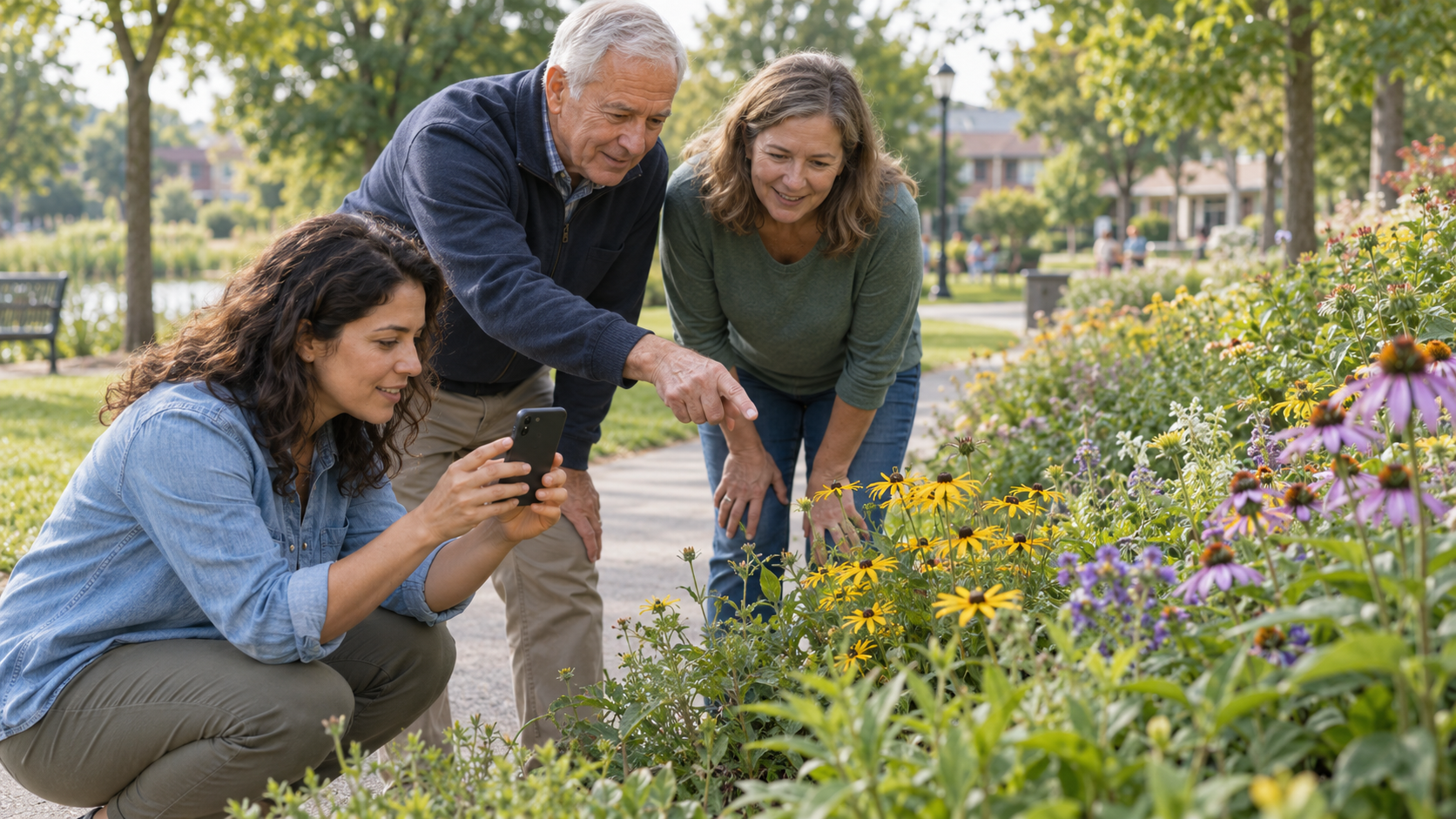
Residents notice things that a visiting research team may miss: where flowers appear each season, which paths are regularly flooded, or how a familiar landscape changes. Citizen science connects that local attention with a shared method for asking questions, gathering observations, and interpreting evidence.
A useful project needs more than enthusiastic volunteers and somewhere to upload photographs. The question, collection method, review process, and intended use must fit together. Otherwise, a busy map can show where people participated without answering what the community wanted to know.
The aim is to produce evidence that others can understand and assess while giving participants a meaningful role in the work. A small, well-supported project can do that without building a complicated platform.
Start With a Question People Share
Ask residents what they want to understand and why it matters. Then narrow that interest into a question the group can investigate with its available time, access, and skills.
Consider a hypothetical neighborhood biodiversity project. “Record nature around us” is an inviting activity, but it leaves the purpose open. “Which flowering plants are present along these park paths during the coming season?” gives the team a defined place, subject, and period. It could support a discussion with park staff about where more detailed habitat assessment would be useful.
Agree who wants the evidence and what it could inform before recruiting widely. A researcher, conservation group, or land manager can help distinguish a useful observation from a claim the proposed method cannot support. Check whether an existing project already answers the question and would welcome local contributions.
Residents should help shape the question and interpret the findings. The principle behind community participation in civic technology applies here too: providing information should come with a clear explanation of what influence that information may have.
Match the Method to the Intended Use
An awareness walk, a species inventory, and a study comparing locations need different designs. Decide whether observations are intended for learning, identifying places for further investigation, or answering a defined research question. Do not promise that collecting more records automatically makes them suitable for every purpose.
For the park example, casual photographs can help document plants that were encountered. Comparing two paths requires attention to how much effort went into each: who visited, when, for how long, and under what conditions. Repeated visits using the same approach can make comparisons more interpretable, though they still have limits.
Write down the plan before collection begins. Describe the sites, schedule, observation rules, required information, review steps, and responsibilities. Ask the intended data user to review it. If their requirements exceed the group's capacity, narrow the question or arrange additional support.
Make Each Observation Understandable
A photograph is more useful when someone can connect it to the right place, time, and collection method. Define a short record that captures what the question requires without making every contribution a lengthy administrative task.
For a simple plant survey, useful fields might include the observation date, site identifier, location precision, photograph, tentative identification, observer code, and method version. If comparisons depend on survey effort, record the visit duration and whether the planned route was completed.
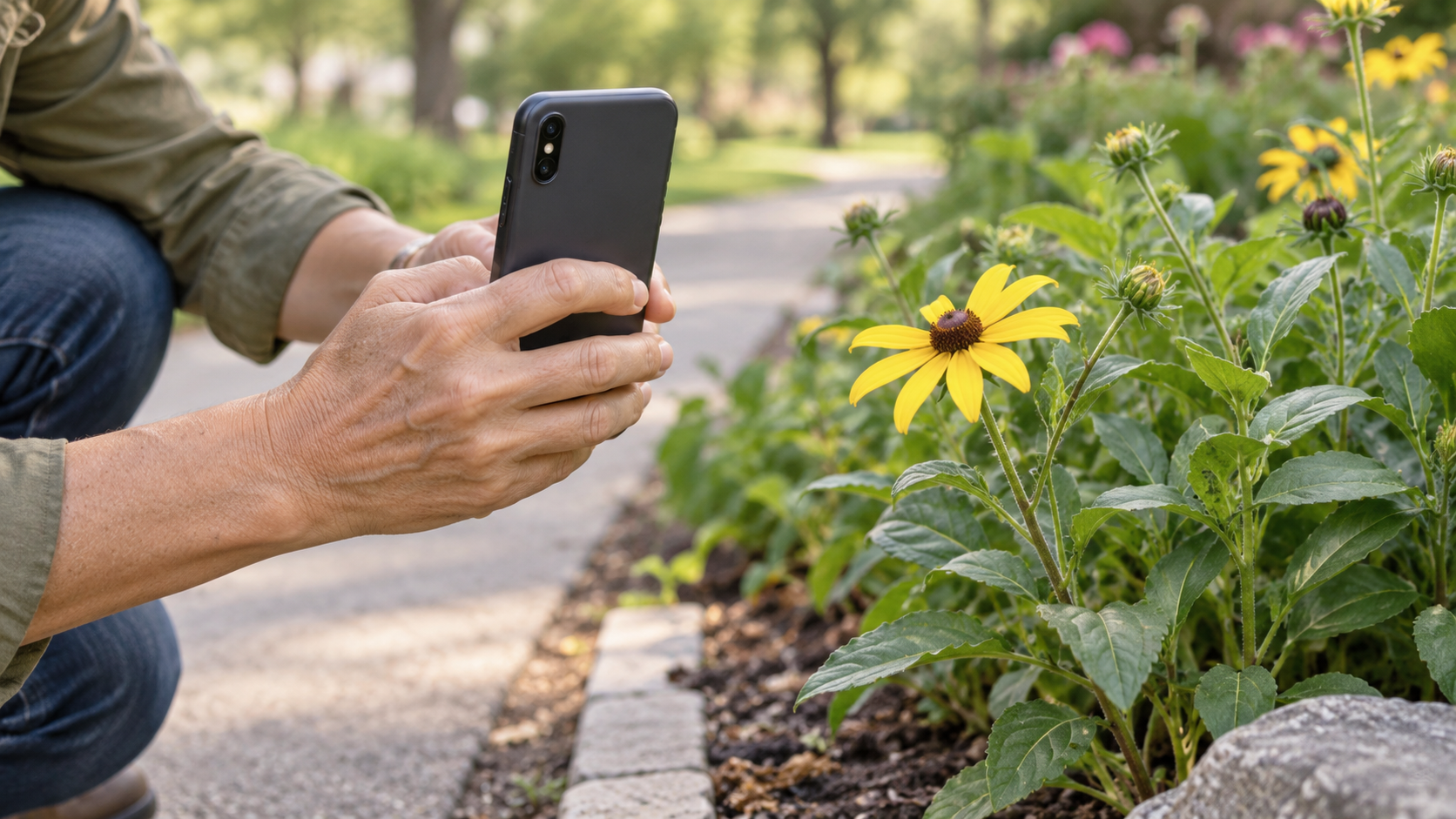
Teach participants which features need to be visible. A flower alone may be insufficient for identification; leaves, stems, or a wider view may help. Let volunteers record “not yet identified” rather than guess. An uncertain observation can still be useful when its uncertainty is retained.
Separate a completed visit with no observation of the target from a visit that never happened. Neither necessarily proves that the target was absent. If two people photograph the same plant, define whether the records represent one encounter or separate observations for the project's purpose.
Practice Together Before Expanding
Run a short field session with a small group. Ask participants to follow the instructions independently, then compare how they interpreted them. Differences reveal ambiguous rules more effectively than asking whether the instructions seem clear.
Check the whole journey: finding the site, making an observation, recording its context, submitting it, and receiving a response. Note where people need help or where equipment behaves differently. Improve the instructions before adding more sites or volunteers.
Keep a dated method version. If a rule changes during the season, record when and why. Preserve that information with the data so a later reviewer can distinguish a change in collection practice from a change in the environment.
Give Data Review an Owner
Name a coordinator responsible for receiving records and following up on missing information. Arrange knowledgeable reviewers for questions that require specialist judgment. Volunteers should know whom to contact when they are unsure.
Use simple review states such as received, needs clarification, checked, and excluded from analysis. Explain what each means. Keep the original submission alongside corrections and the reason for any exclusion, rather than silently replacing inconvenient records.
Review dates, locations, duplicate encounters, and identification confidence as well as photographs. A record can be accurately identified but unsuitable for a particular comparison because its collection context is missing.
Automatic suggestions can assist review, but a suggested species name is not confirmation. Give reviewers a way to disagree, record uncertainty, and leave an identification unresolved. Budget time for that work; collecting observations faster than the team can assess them creates a backlog rather than stronger evidence.
Make Participation Reachable
Recruitment through one enthusiastic group may leave parts of the neighborhood unrepresented. Ask who can reach the sites, attend at the proposed times, use the equipment, and understand the instructions. Offer manageable roles that fit different capacities, including organizing visits or helping review records.
Provide shared equipment and an assisted or paper route where practical. Someone without a suitable phone should not automatically lose the chance to contribute. The site's guide to digital inclusion beyond internet access explains why devices, skills, support, and service design all matter.
Keep observation within agreed public or permitted areas. Plan accessible routes, buddy arrangements, and clear reasons to stop a session. Avoid disturbing plants or wildlife to obtain a better photograph. Include coordination, training, equipment upkeep, and participant support in the budget.
Decide What Can Be Shared
Explain who can use the records, which information will be public, and how contributors will be acknowledged. Agree how photographs may be reused and how corrections or withdrawal requests will be handled before collecting them.
Precise locations can reveal private routines or sensitive wildlife sites. Keep contact details separate from observation records, restrict access to information that needs protection, and consider a less precise public location where appropriate. Review photographs and descriptions too: hiding a map point may not hide a recognizable place.
Share methods and findings as openly as the project's agreements allow. Useful openness includes definitions, limitations, and a clear account of changes, not simply a downloadable file with unexplained columns.
Report Findings With Their Limits
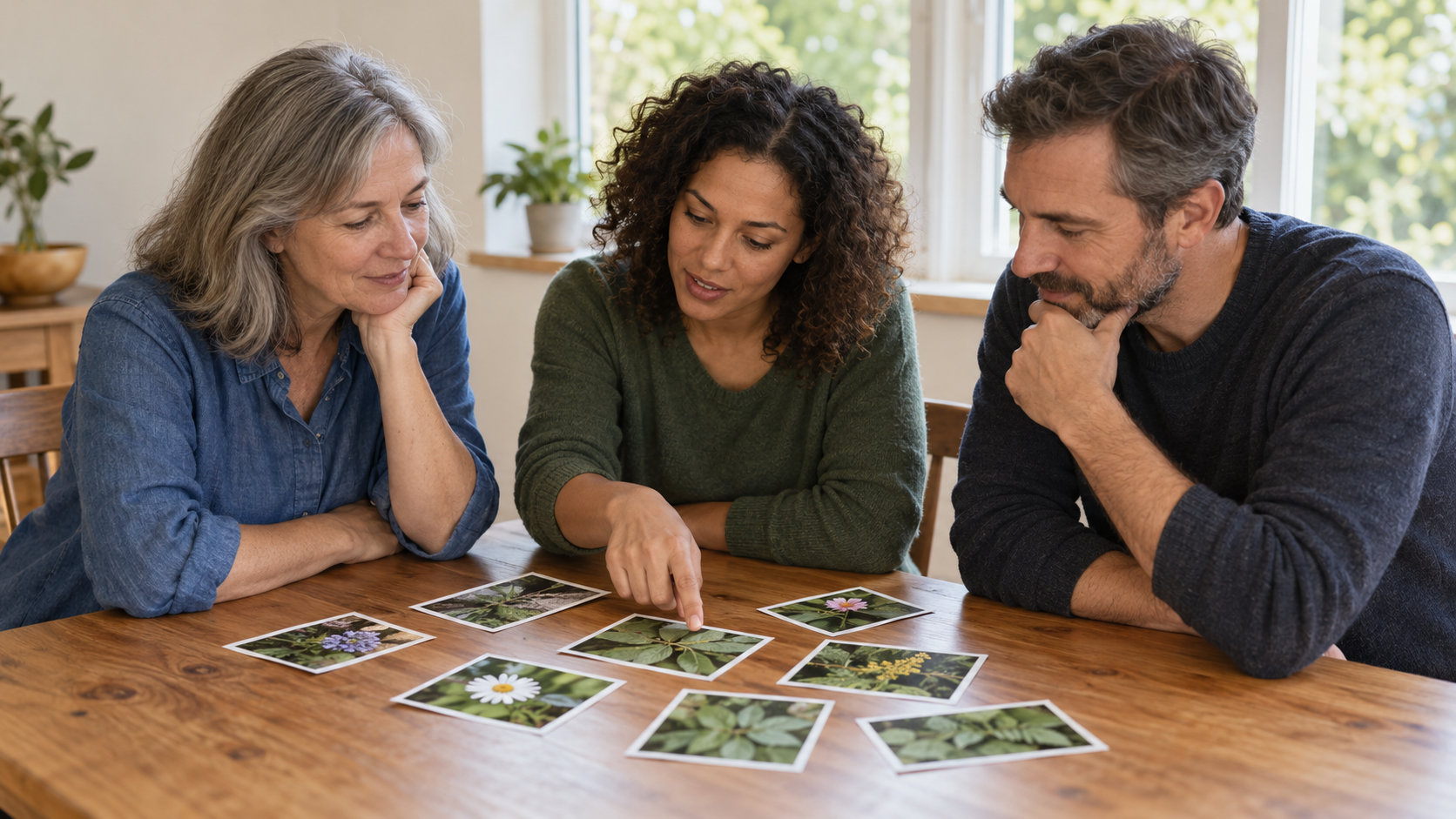
Report what was observed, where and when collection happened, which records were checked, and what coverage is missing. An area with more records may have more observers rather than more biodiversity. A shorter species list may reflect visit timing, weather, identification difficulty, or incomplete coverage.
Do not turn “not recorded” into “not present,” or a seasonal difference into proof that one local action caused it. Ask a relevant specialist to assess proposed comparisons and explain competing interpretations in plain language.
Return findings to participants before the project becomes only a report for partners. Discuss surprising results, unanswered questions, and possible next steps. A useful response might be a better survey design, targeted follow-up, or a conversation with the organization able to act.
The framework for measuring social innovation through community outcomes helps the team also assess participant experience, learning, and whether the evidence informed a decision. Record numbers describe activity; those additional questions describe what the work achieved.
Start with one complete cycle: a shared question, a workable method, supported collection, careful review, and an honest public explanation. Expand when that cycle works. Citizen science earns its value through evidence people can examine and a process they can meaningfully help shape.
Images are AI-generated illustrations of community citizen science activities.