How to Start a Community Seed Library
A practical guide to choosing a host, collecting and labeling seeds, supporting beginner growers, and keeping a shared seed collection useful through the seasons
November 3, 2026
•7 min read
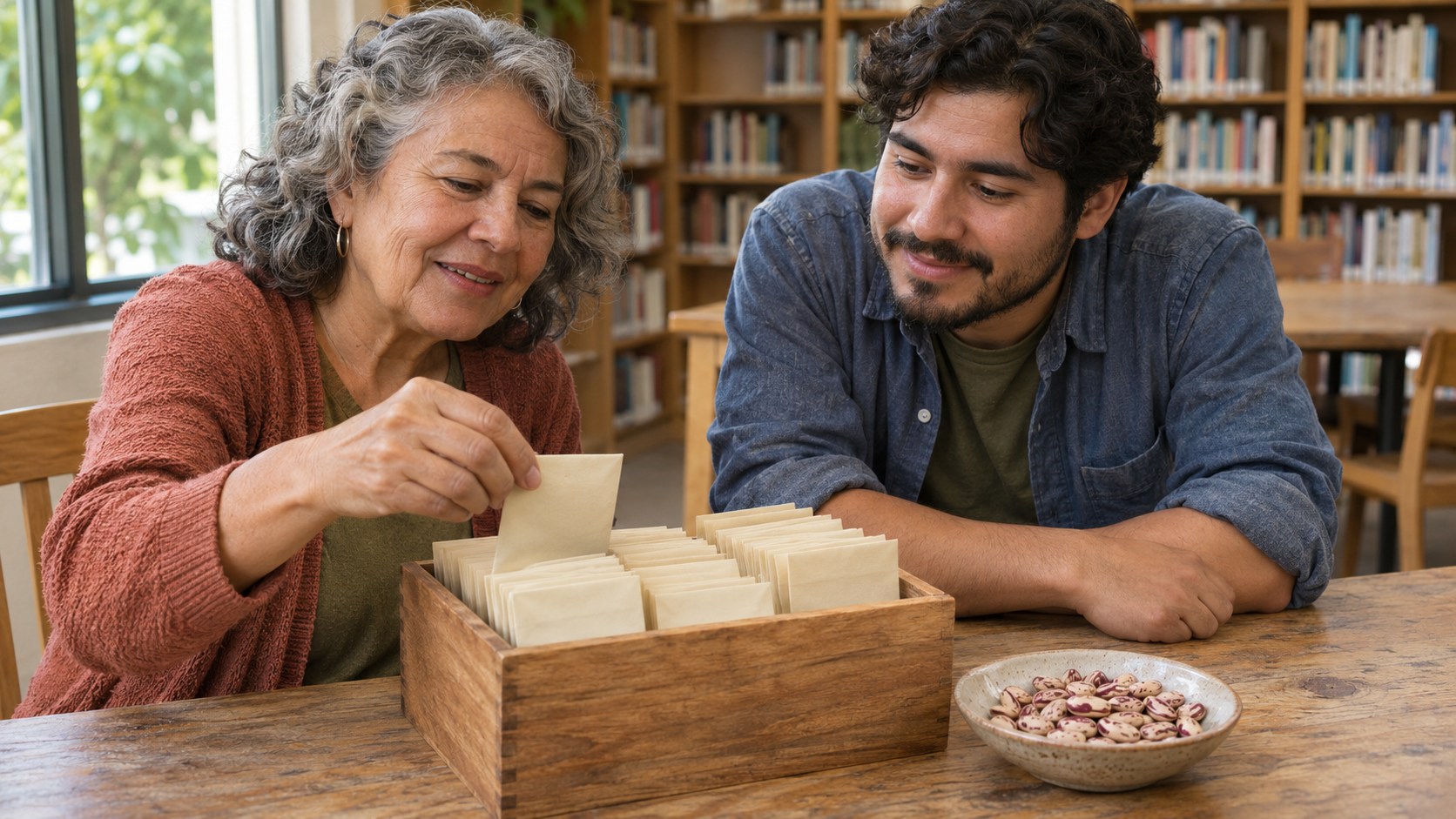
A community seed library gives people a shared place to find seeds, exchange growing knowledge, and begin gardening without buying a whole packet of every variety. It can be a small collection in a public library, a community center, or another space with a dependable host.
The seeds are taken away and planted. Unlike a borrowed tool, the original item cannot come back. A workable model welcomes future contributions without making successful seed saving a condition of participation. Beginners should be able to join before they know how to produce seed themselves.
Start with a collection the team can identify, store, and explain. A modest box with reliable information is more useful than a crowded cupboard of uncertain donations.
Agree on the Purpose and the Host
Decide whose participation the library should make easier. The first collection might support people growing a few vegetables in containers, neighbors sharing familiar varieties, or a community garden's learning activities. That purpose guides which seeds to accept and what information to provide.
Find a host that can offer consistent opening times, suitable storage, and someone responsible for the collection. Ask about space, volunteer support, and the host's requirements for accepting and distributing seeds before inviting donations.
A community asset map can help identify potential hosts and people willing to share growing knowledge. Confirm each offer directly: knowing an experienced gardener does not mean that person has agreed to inspect every donation.
Write a short operating agreement covering access, costs, responsibilities, accepted seed sources, and when the collection will be reviewed. Keep the initial promise small enough to maintain.
Make Taking Seeds Simple
Explain how people choose seeds, how much they can take, and where to ask questions. If stock is limited, set a modest quantity per visit so a few early visitors do not empty the collection. Explain the reason and review the limit as supplies change.
Offer a way to browse without creating an account or using a smartphone. Put the collection within comfortable reach and provide clear printed information. Check that people can actually use it during the host's normal opening hours.
Avoid collecting personal details merely to count participation. A simple tally of packets taken may be enough for an initial review. If the host needs other records, explain their purpose and follow its existing information-handling arrangements.
State plainly that donating seeds is optional. People can also contribute by helping organize packets, sharing growing tips, or supporting a session, if they want to.
Choose a Manageable Starting Collection
Select a small range that fits local growing conditions and the intended audience. Ask knowledgeable local growers to review the choices rather than assuming that a popular seed elsewhere will suit every garden.
Separate growing a plant from saving its seed. A crop can be straightforward to grow for food while requiring more time, space, or care to produce dependable seed. Some vegetables need a second growing season before setting seed.
For beginner seed saving, open-pollinated beans, peas, lettuce, or tomatoes can be useful starting points, with crop-specific guidance. Even mainly self-pollinating plants can cross, so avoid promising that a variety will remain unchanged without considering how it was grown.
Hybrid seed can grow useful plants, but seed saved from those plants may produce offspring with different characteristics. Label what is known, and keep growing advice distinct from claims about what the next generation will produce.
Give Every Donation an Intake Check
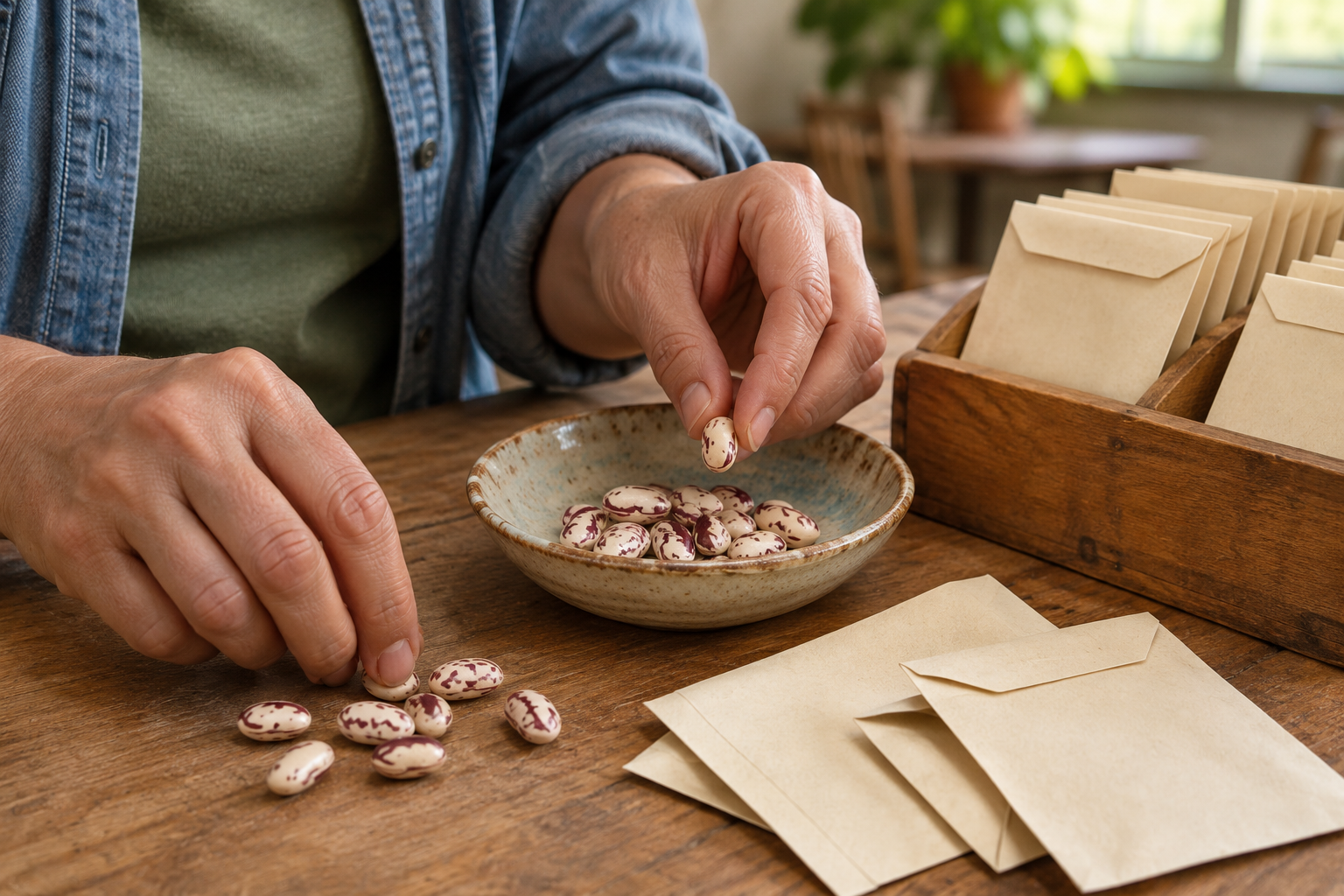
Set aside incoming donations until a designated person has reviewed them. Keep this area separate from the packets available to visitors. A public drop-off box should not become an automatic route into the collection.
Use a short intake record:
- Identity: Plant name and variety, when known, without filling gaps by guesswork.
- Source: Commercial packet or home-saved seed, with original packaging retained where available.
- Timing: Collection year or the original supplier's packet information, recorded accurately.
- Growing context: Useful information the donor can provide about the source plants and nearby varieties.
- Review: Who checked the donation, what was accepted, and any uncertainty to carry onto the label.
Give each accepted batch a simple identifier so repacked envelopes can be traced to that record. Explain which donations the team cannot accept. Unidentified, damp, moldy, or visibly damaged material should stay out of public stock.
Appearance alone cannot establish seed health, germination, or varietal identity. Treat the intake check as a way to make sensible acceptance decisions and preserve information, rather than a certification process.
Label Packets Before They Reach the Shelf
Place the seed's name, variety when known, batch identifier, source type, and relevant date on the packet. Identify home-saved seed clearly. Carry forward uncertainty instead of turning an uncertain donation into a confident label.
Add brief sowing information suited to the local setting, reviewed by someone with appropriate growing knowledge. Explain where people can get further help. Avoid a single planting calendar for every location or a guaranteed germination promise.
Use dry paper envelopes suitable for the seed, with a quantity that makes sense for a small grower. Keep different batches separate even when their variety names match; they may have different sources or collection dates.
The operating discipline of a community tool library is useful here: people need to understand what is available and who keeps the stock information current. Seed packets require their own routines because material is consumed and quality can change in storage.
Store Seeds Carefully and Review Stock
Choose a cool, dry location away from direct light. Keep seeds away from damp rooms, hot windowsills, and places where spills are likely. Seeds need to be thoroughly dry before storage; a closed container cannot fix moisture already inside.
Arrange packets so volunteers can find each batch and check its record. Review the collection at agreed intervals and before seasonal activity increases. Remove damaged packets and investigate signs of dampness or pests.
Do not assume every species has the same storage life. Age, seed type, handling, and storage conditions all matter. If volunteers run a small germination check, record the method, date, and result for that batch. Explain that a sample check cannot guarantee what every participant will grow.
Keep a small budget for envelopes, labels, storage supplies, and replacement stock. An ongoing collection needs someone to notice shortages before the box is empty.
Help Beginners Take the Next Step
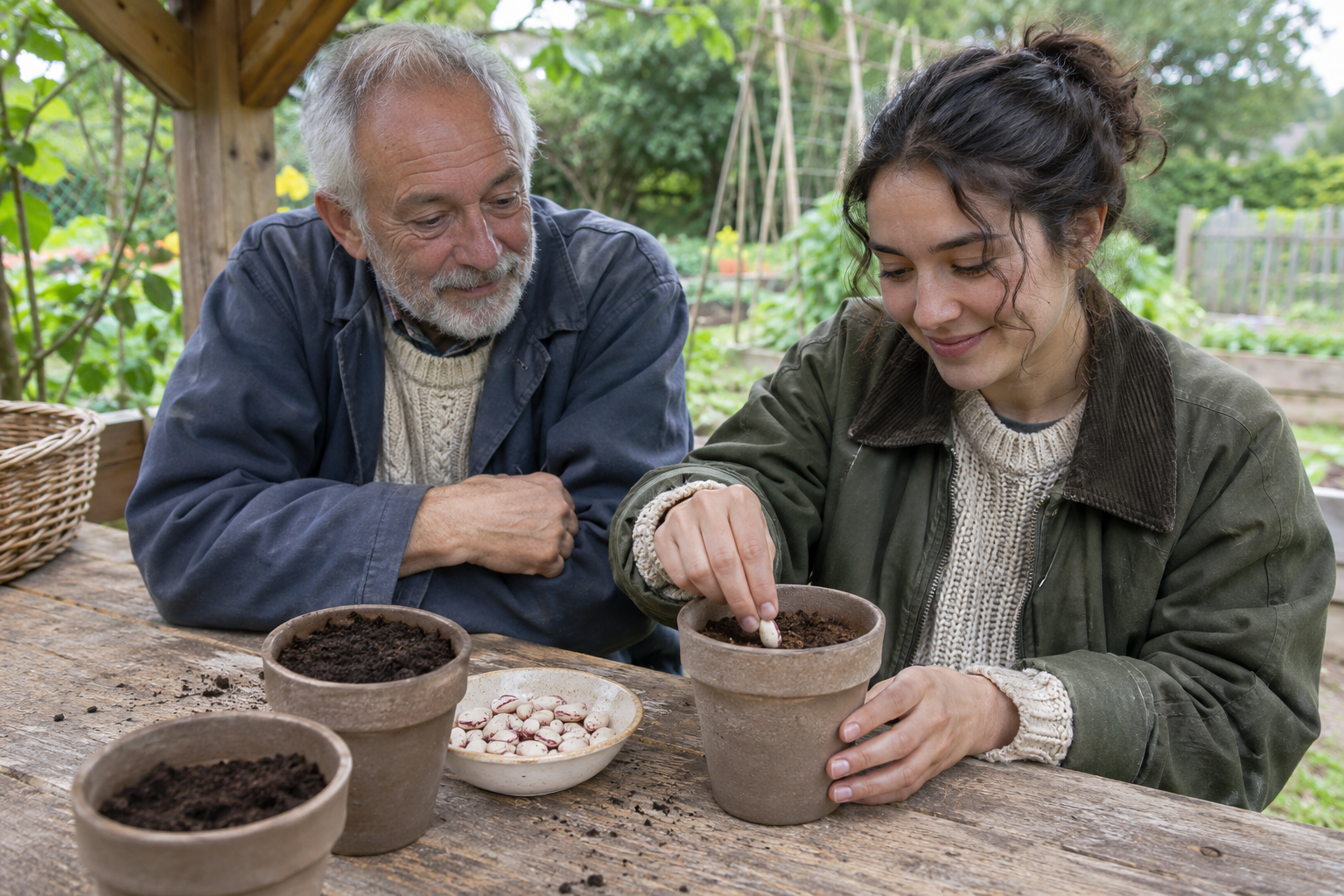
Pair the collection with a small learning activity: choosing a suitable container, reading a packet, or sowing a selected crop. Offer practical guidance that fits the seeds available and the space participants have.
A hypothetical first session could invite residents to choose one locally suitable bean variety, prepare a pot, and discuss where it will grow. Participants can leave with a manageable task and a clear way to ask follow-up questions.
Teach seed saving as a separate skill. Harvesting mature seed, preventing unwanted crossing, cleaning it, and drying it properly vary by crop. Point learners toward crop-specific guidance and experienced help rather than suggesting that any seed from a harvested vegetable is ready for sharing.
Invite people to describe what happened, including failed attempts. Learning should not depend on returning a successful harvest or producing an impressive photograph.
Plan for the Next Season
Review what people took, what they struggled to understand, and which packets stayed untouched. Ask whether the location and opening times worked for people beyond the host's regular visitors.
Use that feedback to adjust the collection and its instructions. Low demand might reflect unsuitable varieties, unclear information, or inconvenient access. Buying more seed will not resolve every barrier.
Share responsibility for intake, packing, stock checks, and learning activities. A volunteer handover should leave the next person able to find the records, understand acceptance decisions, and prepare the next collection review.
A seed library becomes useful through repeated, ordinary care. People can find seeds they understand, try growing something, and contribute knowledge when they are ready. Start there, and expand when the host and volunteers can sustain the work.
Images are AI-generated illustrations of a community seed library and learning activities.