How to Start a Community Tool Library That People Can Rely On
A practical guide to choosing useful tools, managing safe loans, making borrowing accessible, and building a small community lending service that lasts
September 29, 2026
•8 min read
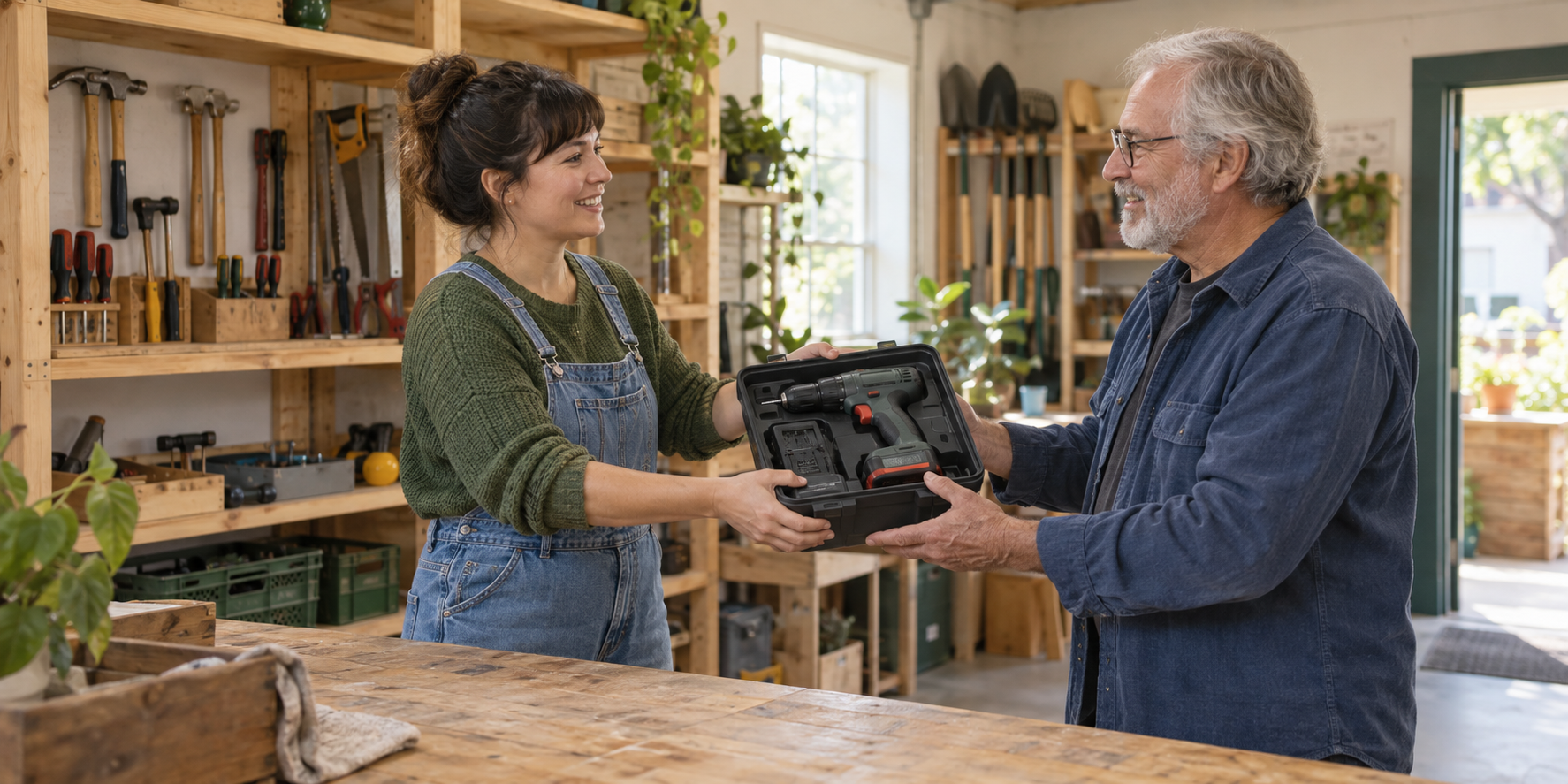
A drill for one shelf, a saw for one repair, or a garden tool for a short seasonal job can be hard to justify buying. The tool may be useful for an afternoon and then sit unused. A community tool library offers another route: people borrow shared equipment for a defined period and return it for the next person.
The idea is straightforward. Running it well requires more care. A useful library needs the right stock, a place people can reach, clear borrowing rules, routine maintenance, and someone responsible when an item comes back damaged or does not come back at all.
Start with a small service that completes the whole borrowing cycle reliably. A crowded shelf is not the measure of success. People need to find a suitable tool, understand how to borrow it, use it within agreed limits, and return it in good condition.
Find the Jobs People Need to Do
Begin with conversations, not a donation drive. Ask residents what they would use a tool for, how often they need it, what they currently do instead, and what would make borrowing inconvenient. Talk with local groups that already host practical activities. They may know whether the unmet need is for basic home maintenance, gardening, event equipment, or something else.
Look for repeated, specific jobs rather than a wish list of impressive equipment. “I need a ladder” leaves important questions open: what height, where will it be used, how will it be transported, and what support does the borrower need? Some requests may be better served by a demonstration, a group workshop, or a professional service rather than an individual loan.
Write a short purpose for the pilot. For example: help residents borrow a small set of hand tools for routine household and garden tasks. That boundary guides what to accept, what to exclude, and which partners to approach. It also makes it easier to explain the service honestly.
Choose a Host and Name the Owners
A library needs a home as well as a collection. A community center, existing library, housing organization, or local group may be able to provide space, staffing, and a familiar entrance. Discuss opening hours, secure storage, accessibility, insurance, and who will be present during collection and returns before promising a launch date.
Put responsibilities in writing. Who owns donated tools? Who can accept a new item? Who decides that one is no longer safe or useful to lend? Who pays for repairs and replacement? Who holds the records if the host changes? A friendly partnership still needs answers to these ordinary questions.
Give one person or small team responsibility for the complete loan process. Volunteers can cover shifts, but a borrower should not have to work out which volunteer remembers where an item went. The coordinator needs time for records, reminders, inspection, and follow-up, not just opening the door.
Build a Collection You Can Maintain
Start with a limited set of robust items that match the jobs people described. For each proposed tool, consider demand, storage space, transport, consumables, cleaning, inspection, and replacement parts. A free donated item can still be expensive to operate if it is incomplete or frequently needs attention.
Create an entry for every item before it reaches the shelf. Record an identifier, description, included parts, condition, instructions, purchase or donation details, and any inspection required before the next loan. Store small parts together so a borrower does not discover at home that a charger, blade guard, or attachment is missing.
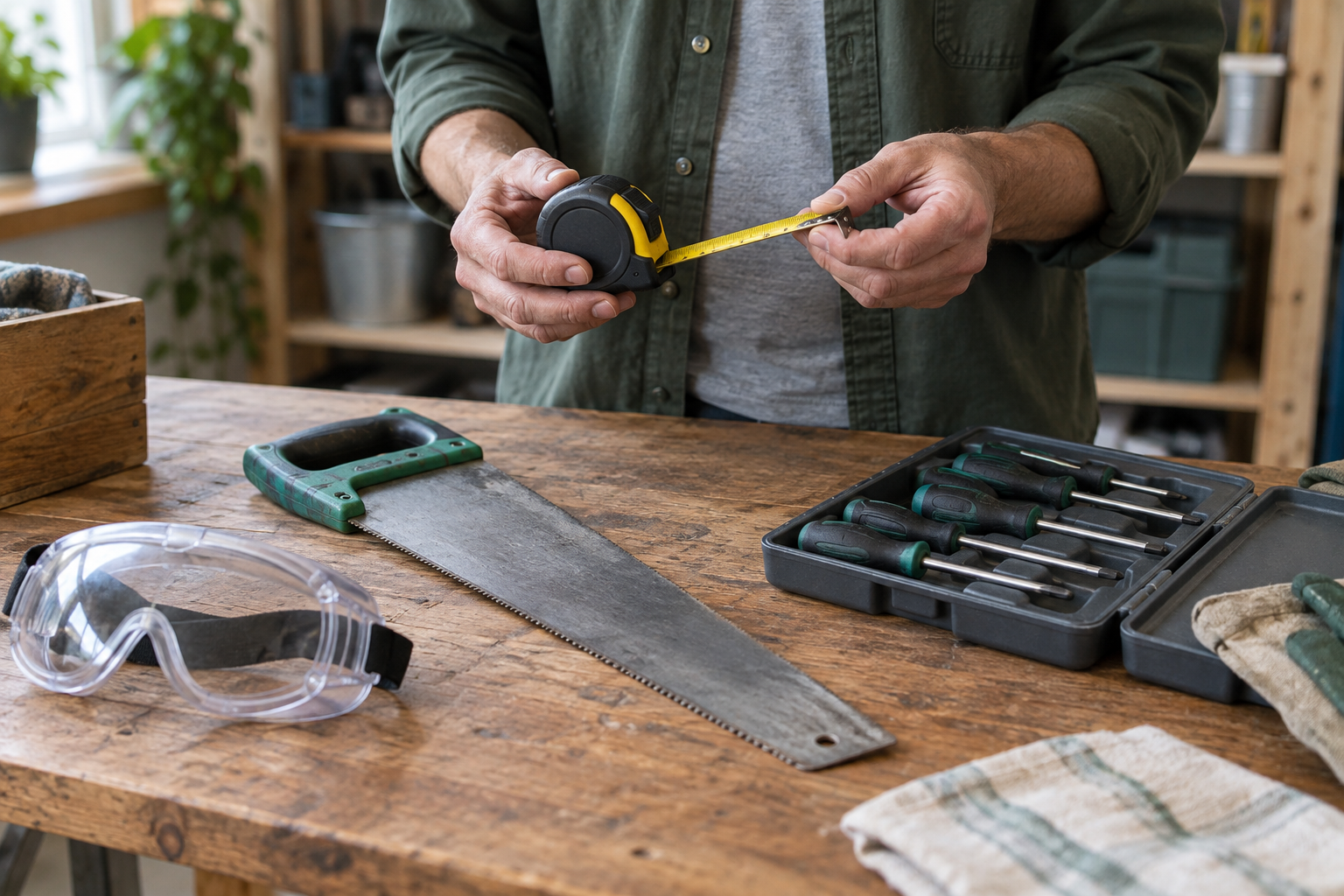
Set an acceptance rule for donations. Thanking someone for an offer does not obligate the library to lend an item it cannot inspect, maintain, store, or explain. Decline equipment outside the pilot's scope. Add new categories only when the team can support them through the whole loan cycle.
Make Borrowing Predictable
A borrower should be able to answer five questions without asking a volunteer for an exception: What is available? Who may borrow it? How long is the loan? What will it cost, if anything? What happens if it is late, damaged, or incomplete?
Use a simple checkout record with the item identifier, borrower contact method, collection date, due date, and the condition and parts handed over. Confirm the return in the same record. Explain what information is collected, who can see it, and when it will be removed. A small operation can begin with a modest record system if it is accurate and accessible to the people running the desk.
Keep lending periods long enough to finish a realistic job but short enough for others to use the item. Allow extensions when there is no competing booking. If demand for one tool is high, a fair reservation rule matters more than an elaborate catalogue.
At return, check the item with the borrower when possible. Count the parts, note any damage, and ask whether the tool worked for the intended task. A problem reported promptly can be handled before the next person arrives. Clear, calm procedures are more useful than rules that make people afraid to report a fault.
Treat Safety as an Operating Practice
Decide which items the library is equipped to lend and what borrowers need to know about them. Provide available manufacturer instructions and explain the intended use and any included protective equipment. A short handover can show where the controls and parts are without claiming to certify anyone's skill.
Inspection must have an owner and a schedule. Check items at intake, after returns where appropriate, and whenever someone reports a problem. Remove a questionable item from circulation until it has been assessed. Keep a record of repair, replacement, or retirement so the next shift does not unknowingly lend it again.
Power tools, ladders, electrical equipment, and other higher-risk items may require different controls. Confirm the applicable requirements with the host, insurer, and qualified local advisers before adding them. A pilot can begin with simpler categories while the team develops the capacity to handle more.
A tool library can work alongside a community repair café, but the two services have different responsibilities. Lending an item for unsupervised use is a different promise from helping someone repair a belonging in a shared space. Set rules for each activity separately.
Make the Service Reachable
The location, hours, and loan rules determine who can actually use the collection. Ask whether people can carry items home, reach the site after work, and return a tool without taking another long trip. Test the entrance and counter with people who use mobility aids. Make costs and deposits visible before someone travels to collect an item.

An online catalogue is helpful only if people can also understand and use the borrowing process. Provide a phone or in-person route to check availability and reserve an item. Describe tools in plain language, including size, weight, included parts, and the kinds of jobs they suit. The principles of digital inclusion beyond internet access apply to a physical lending service too.
Avoid assuming that everyone already knows how to use the collection. A short introduction, demonstration, or optional skill-sharing session can help a newcomer choose a suitable tool. Tell people when a task is beyond the service's scope and where they might seek qualified help.
Budget for the Work Between Loans
The stock is only one cost. Include storage, shelving, insurance, maintenance, consumables, replacement parts, cleaning, accessible communication, volunteer support, and coordination time. If a partner contributes space or staff, record what it is providing and for how long.
Choose any fees with the purpose of the library in mind. A charge that covers some operating costs may still prevent the intended users from borrowing. If you use deposits, explain how they are returned and what happens when a dispute arises. Consider whether a lower-cost route can be offered without making people prove hardship in public.
Review the budget alongside actual loans. A tool used frequently may justify a spare or a better maintenance plan. One that never leaves the shelf may reveal poor publicity, inconvenient hours, or a mistaken assumption about demand. Buying more stock before understanding the pattern can make the service harder to run.
Learn From a Complete Pilot
Run a small pilot with a defined collection, opening schedule, team, and review date. Walk through a loan as if you were a first-time borrower: find the tool, reserve it, collect it, understand the instructions, return it, and report a problem. Fix confusing steps before adding more items.
Count loans, repeat use, reservations that could not be filled, late returns, repairs, and items retired. Then ask borrowers whether the tool suited the job and what made access easy or difficult. Include people who wanted to borrow but did not complete a loan. The broader guide to measuring community outcomes helps distinguish activity from a meaningful change in access.
Use those findings to make one or two decisions: change hours, improve descriptions, replace a weak item, offer a demonstration, or adjust the loan period. Expand when the existing collection can be borrowed and maintained dependably. A community tool library earns trust one complete, well-supported loan at a time.
Images are AI-generated illustrations of community tool sharing.